

How the Use Dataspire 5S App Drives Lean Manufacturing Excellence
In a world where manufacturing competitiveness is defined by speed, quality, and efficiency, traditional workshop methodologies can no longer sustain growth.
As global supply chains become smarter and markets more demanding, manufacturing teams must optimize every aspect of their operations.
That’s why in 2026, companies embracing lean manufacturing aren’t just adopting the 5S methodology, they’re transforming it with digital tools like the Use Dataspire 5S App.

What 5S Means in Lean Manufacturing
5S refers to the five principles
Sort, Set in Order, Shine, Standardize, sustain
that create organized, efficient, and safe work environments. These elements form the cornerstone of lean manufacturing, helping teams eliminate waste, reduce variation, and improve workflow.
But while the theory of 5S has been around for decades, its practical execution often stalls without the right tooling and visibility.
In 2026, with more complex operations, remote teams, and high expectations for continuous improvement lean manufacturing initiatives must be supported by digital solutions that make 5S systematic rather than sporadic.
Common 5S Implementation Problems and How Software Solves them
The Challenges of Traditional 5S Practices
For many manufacturing teams, 5S is still managed with:
- Manual paperwork
- Whiteboard tracking
- Spreadsheet checklists
- Infrequent audits
These methods suffer from major limitations:
- No Real-Time Insight
Paper audits only reflect a moment in time and rarely offer visibility into ongoing issues. Teams can miss critical safety or workflow problems that occur between checks.
- Disconnected Data
Without digitized tracking, audit results aren’t consolidated. This makes it hard to compare performance, measure trends, or identify recurring issues, all essential for lean manufacturing.
- Accountability Gaps
If responsibility for inspection and follow-up isn’t visible or tracked, improvements rarely stick. What’s needed is a clear chain of ownership and measurable outcomes.
In contrast, a 5S management platform like the Use Dataspire 5S App centralizes these activities, eliminating the inefficiencies inherent in manual 5S practices.
How the Use Dataspire 5S App Revolutionizes 5S in Manufacturing
The Use Dataspire 5S App is purpose-built for modern manufacturing teams. It takes the traditional lean manufacturing concept of 5S and applies digital rigor to every phase of implementation, audit, and improvement.
Here’s how:
- Digital 5S Audits and Checklists
Instead of paper forms, teams use customizable digital audit checklists that guide inspectors through Sort, Set in Order, Shine, Standardize, Sustain systematically. This ensures consistency across departments, shifts, and factories.
- Real-Time Reporting and Dashboards
Once data is captured digitally, teams gain instant access to 5S scores, trend charts, and compliance snapshots. Real-time dashboards enable leaders to pinpoint problem areas before they hurt production quality or safety.
- Action Tracking and Accountability
The app lets teams assign corrective actions directly to individuals with deadlines and progress tracking, closing the accountability loop in a way manual systems can’t.
- Red Tag Management
Digital red tag systems allow users to tag non-essential items in the workplace and track their resolution, a key lean practice that prevents workspace clutter and improves workflow efficiency.
- Mobile and Desktop Accessibility
Inspectors can perform audits on the go using tablets and smartphones even offline and sync results later. This mobile flexibility ensures that data collection happens where work occurs rather than after the fact.
- Integration and Scalability
In larger enterprises, unifying 5S data across multiple plants and systems (like ERP) is critical. The Use Dataspire 5S App supports centralized dashboards for company-wide performance tracking while maintaining detailed local data.

The Business Case: Tangible Benefits of a 5S Management App
Adopting the Use Dataspire 5S App isn’t just about digital transformation, it’s about creating measurable lean manufacturing outcomes:
Boosted Productivity
Organized workspaces reduce wasted motion and increase throughput. Digital audits help teams stay disciplined in applying the 5S principles that enable flow and reduce delays.
Enhanced Quality and Safety
Standardized processes, consistent audits, and rapid corrective actions reduce defects and accidents, improving both product quality and worker safety.
Stronger Continuous Improvement Culture
With built-in data tracking and analytics, teams can see improvement trends over time, celebrate wins, and focus efforts where results matter most. This builds a proactive lean culture.
Reduced Waste and Cost
By automating redundant tasks and eliminating paper systems, companies save time and reduce costs especially in high-volume manufacturing environments.
What Makes Lean Manufacturing Essential Today
Lean manufacturing is no longer just a cost-cutting method—it’s a strategic approach to building agile, responsive, and customer-focused operations. In today’s fast-changing market, manufacturers must adapt quickly to demand fluctuations, supply chain disruptions, and increasing quality expectations. Lean enables this flexibility by streamlining processes and removing inefficiencies at every level.
Lean Manufacturing in Modern Industries
From automotive to electronics and FMCG, lean manufacturing plays a critical role in improving production performance. By reducing cycle times and optimizing resource utilization, businesses can deliver products faster without compromising quality. Lean also supports better coordination between departments, ensuring smoother workflows and fewer bottlenecks.
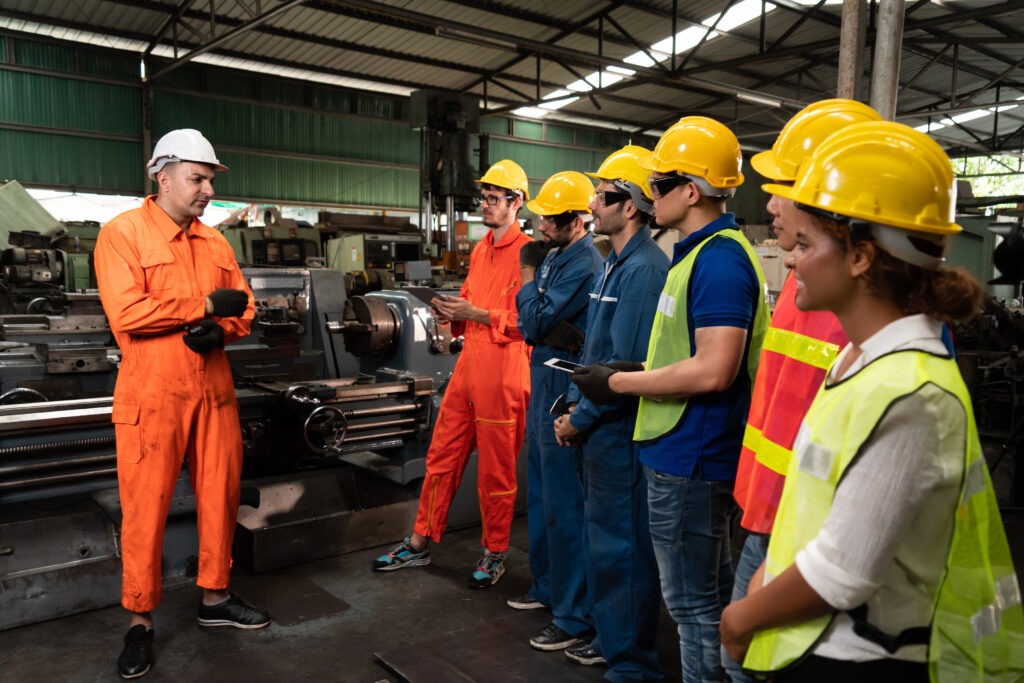
The Role of Technology in Lean Manufacturing Software
Digital tools are transforming how lean principles are implemented. With real-time data, automated workflows, and smart dashboards, manufacturers can monitor performance continuously and take corrective actions instantly. Technologies like IoT, AI, and cloud-based platforms enhance visibility and help teams make data-driven decisions, strengthening lean practices.
Building a Lean Culture
Successful lean implementation goes beyond tools and techniques—it requires a cultural shift. Organizations must encourage employee involvement, continuous learning, and accountability. When teams actively participate in identifying problems and suggesting improvements, lean becomes a long-term competitive advantage rather than a one-time initiative.
Continuous Improvement as a Growth Driver
At the heart of lean manufacturing is continuous improvement. Small, consistent changes in processes can lead to significant gains over time. By regularly analyzing performance, identifying gaps, and implementing improvements, businesses can sustain efficiency and stay ahead in competitive markets.
5S Software Is No Longer Optional in 2026
Manufacturers that cling to manual 5S will fall behind competitors who leverage digital tools to achieve lean manufacturing excellence.
In an age where agility, safety, and data-backed decisions define success, tools like the Use Dataspire 5S App become essential for teams committed to operational excellence.
By embedding digital 5S into your lean manufacturing software strategy, you:
- Improve visibility and accountability across the shop floor
- Accelerate continuous improvement cycles
- Enhance productivity and safety standards
- Create a culture of discipline and innovation
5S Audit Software Explained: Simplifying Lean Workplace Audits
In 2026, 5S is not just a methodology, it’s a digital system of record. And the right software like the Use Dataspire 5S App ensures manufacturing teams stay lean, agile, and future-ready
The Growing Importance of Lean Practices in Modern Manufacturing
In 2026, manufacturing is no longer just about producing goods efficiently—it’s about producing them intelligently. Businesses are under constant pressure to reduce waste, improve quality, and respond quickly to changing market demands. This is where lean manufacturing becomes essential.
Lean manufacturing focuses on eliminating waste, optimizing processes, and delivering maximum value with minimal resources. However, implementing lean principles consistently across teams and locations is not easy.
Without the right tools, even well-trained teams struggle to maintain discipline. This is why many organizations are now turning to lean manufacturing software to support and sustain their lean initiatives.
When combined with structured methodologies like 5S, digital tools provide the foundation needed to maintain efficiency and continuous improvement.
What Is 5S and Why It Still Matters in 2026
The 5S methodology—Sort, Set in Order, Shine, Standardize, and Sustain—has been a cornerstone of lean manufacturing for decades. While the concept is simple, maintaining it consistently is a challenge for many teams.
In a busy manufacturing environment, standards can easily slip. Workstations become cluttered, tools go missing, and processes lose their structure. Over time, this leads to inefficiencies, safety risks, and reduced productivity.
This is where 5S audit software plays a critical role. It ensures that 5S practices are not just implemented but continuously followed.
Instead of relying on occasional manual audits, teams can perform regular digital checks, track compliance, and take immediate corrective actions.
In 2026, maintaining 5S is not just about cleanliness—it’s about operational excellence.
Moving from Manual 5S to Digital 5S Management
Traditional 5S audits often involve paper checklists, manual scoring, and delayed reporting. While this approach may work initially, it becomes inefficient as operations grow.
Common challenges with manual systems include:
- Inconsistent audit formats
- Lack of real-time visibility
- Delayed corrective actions
- Difficulty in tracking performance over time
By adopting 5S audit software, manufacturers can overcome these limitations.
Digital audits allow teams to:
- Use standardized checklists across departments
- Capture data instantly using mobile devices
- Assign actions and track completion in real time
- Generate reports automatically
This transition from manual to digital not only improves efficiency but also ensures that 5S becomes a daily habit rather than an occasional activity.
Improving Workplace Organization and Efficiency
One of the most immediate benefits of 5S management software is improved workplace organization.
When every tool has a designated place and every process follows a defined standard, operations become smoother and faster.
Workers spend less time searching for tools, reducing downtime and frustration. Clean and organized workspaces also improve focus and productivity.
With lean manufacturing software, managers can monitor how well teams are maintaining these standards. They can identify areas that need improvement and take corrective actions before issues escalate.
This leads to a more efficient and disciplined work environment.
Enhancing Safety Through Structured Audits
Safety is a top priority in manufacturing, and 5S plays a crucial role in maintaining a safe workplace.
Cluttered workspaces, misplaced tools, and poor organization can lead to accidents and injuries. Regular audits help identify these risks early.
With 5S audit software, safety checks can be integrated into daily workflows. Teams can quickly report hazards, attach images, and assign corrective actions.
Managers gain visibility into safety issues and can ensure timely resolution.
By maintaining a clean and organized workplace, businesses can significantly reduce accidents and create a safer environment for employees.
Real-Time Monitoring and Accountability
One of the biggest advantages of digital tools is real-time monitoring.
With 5S audit software, managers can track audit scores, compliance levels, and pending actions across multiple departments or locations.
This transparency improves accountability. Each task is assigned to a specific individual, with clear deadlines and status updates.
Team members are more likely to follow through on their responsibilities when progress is visible and measurable.
This level of accountability is difficult to achieve with manual systems.
Supporting Continuous Improvement Culture
Lean manufacturing is built on the principle of continuous improvement. However, improvement can only happen when there is clear visibility into current performance.
Lean manufacturing software provides valuable insights by collecting and analyzing audit data over time.
Organizations can identify:
- Recurring issues
- Areas with low compliance
- Trends in performance
- Root causes of inefficiencies
With this information, teams can focus on solving the right problems instead of addressing symptoms.
Over time, this leads to sustainable improvements and stronger operational performance.
Standardization Across Multiple Locations
For manufacturers with multiple facilities, maintaining consistent standards is a major challenge.
Different teams may follow different practices, leading to variations in quality and performance.
5S audit software helps standardize processes across all locations. Organizations can create uniform checklists and ensure that every site follows the same guidelines.
Centralized data allows management to compare performance across locations and identify best practices.
This consistency is essential for maintaining quality and achieving operational excellence.
Reducing Waste and Improving Productivity
Waste is one of the biggest challenges in manufacturing. It can take many forms, including:
- Time wasted searching for tools
- Excess inventory
- Defects and rework
- Unnecessary movements
By implementing 5S effectively, businesses can eliminate many of these inefficiencies.
Lean manufacturing software supports this process by providing visibility into waste areas and tracking improvements over time.
When waste is reduced, productivity increases, leading to better output and profitability.
Better Audit Readiness and Compliance
Manufacturing organizations often need to comply with industry standards and regulations.
Maintaining proper documentation and audit records is essential for passing inspections.
With 5S audit software, all audit data is stored digitally and can be accessed بسهولة whenever needed.
This ensures that businesses are always audit-ready.
Instead of scrambling to gather documents, teams can present organized and accurate records instantly.
This not only saves time but also improves confidence during audits.
Empowering Frontline Workers
Digital tools are not just for managers—they also empower frontline workers.
With mobile-friendly 5S audit software, workers can:
- Complete audits بسهولة
- Report issues instantly
- Participate in improvement initiatives
This involvement creates a sense of ownership and responsibility.
When employees are actively engaged in maintaining standards, the overall effectiveness of 5S improves.
Integration with Other Manufacturing Systems
Modern manufacturing environments rely on multiple systems, such as ERP, quality management, and maintenance systems.
Lean manufacturing software can integrate with these systems to provide a unified view of operations.
For example, audit findings can trigger maintenance requests or quality checks.
This integration ensures that issues are addressed holistically rather than in isolation.
Scalability and Future-Readiness
As manufacturing operations grow, managing 5S manually becomes increasingly difficult.
5S audit software provides the scalability needed to handle larger operations.
Whether it’s adding new facilities, increasing audit frequency, or expanding teams, digital tools can adapt to changing needs.
In 2026 and beyond, businesses need solutions that can grow with them.
Leveraging Digital Transformation in Manufacturing
Digital transformation is reshaping the manufacturing industry.
Technologies like automation, IoT, and data analytics are becoming standard.
In this environment, relying on paper-based systems is no longer practical.
By adopting lean manufacturing software and 5S audit software, businesses can align with modern practices and stay competitive.
Digital tools not only improve efficiency but also provide the data needed for strategic decision-making.
Additional Benefits of 5S Management Software
Beyond the core advantages, 5S management software offers several additional benefits:
- Faster audit completion
- Reduced administrative workload
- Improved communication across teams
- Better documentation and record-keeping
- Enhanced visibility into operations
These benefits contribute to a more streamlined and effective manufacturing process.
Why 2026 Is the Right Time to Adopt 5S Audit Software
The manufacturing landscape is evolving rapidly. Customers expect higher quality, faster delivery, and greater transparency.
At the same time, competition is increasing, and margins are tightening.
To succeed in this environment, businesses need efficient and reliable systems.
5S audit software provides the tools needed to maintain discipline, improve performance, and support growth.
Delaying adoption can result in missed opportunities and increased risks.
Final Thoughts
In 2026, manufacturing success depends on more than just production capacity—it depends on efficiency, consistency, and continuous improvement.
Lean manufacturing principles, supported by the right digital tools, provide a clear path to achieving these goals. They help organizations move from reactive problem-solving to proactive performance management.
5S audit software and lean manufacturing software enable organizations to maintain standards, reduce waste, and improve productivity. They bring structure, visibility, and accountability into everyday operations.
They transform 5S from a one-time initiative into a sustainable practice that drives long-term success. Instead of periodic clean-up activities, 5S becomes part of the daily work culture.
In addition, digital tools provide real-time insights, helping managers make faster and more informed decisions. They also improve communication between teams, ensuring that issues are identified and resolved without delays.
Another key advantage is scalability. As businesses grow, 5S management software ensures that standards remain consistent across all locations, without increasing complexity.
It also strengthens compliance and audit readiness by maintaining accurate digital records, reducing the stress of inspections and external audits.
Most importantly, it empowers employees at every level to take ownership of workplace organization and continuous improvement, creating a stronger and more engaged workforce.
For manufacturing teams looking to stay competitive and future-ready, adopting 5S management software is not just an option—it’s a necessity.