
Why plant leaders are tired of coordinating everything by phone
Ask any plant manager in Coimbatore what takes most of the day and the answer is rarely a machine problem. It is coordination. Planning calls stores to check material. Stores calls purchase. Purchase calls the supplier. The supplier replies on email, and by the time the answer reaches the shop floor, the shift has already lost an hour.
Multiply that by every line, every shift and every department, and you get the hidden cost of running a plant on phone calls, spreadsheets and memory. People are working hard, but too much of the work is moving information instead of making decisions.
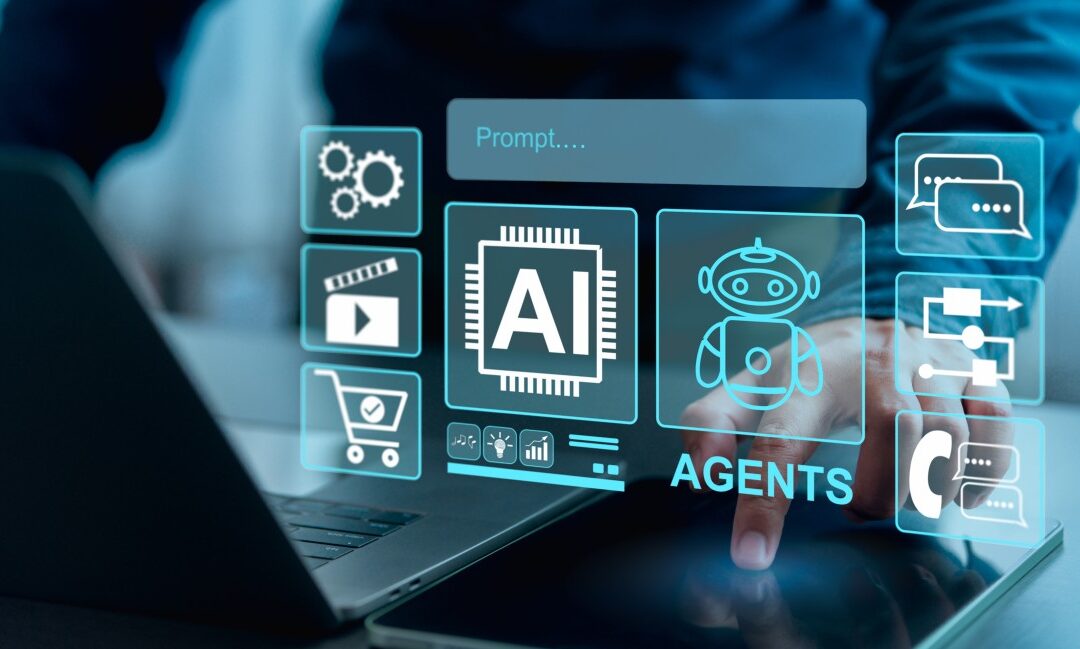
This is the gap that AI agents are built to close. An agent does not replace your team. It watches the same data your team watches, connects the dots across departments, prepares the next step and asks a person to approve what matters.
Dataspire Technologies, an AI agent development company in Coimbatore, works with manufacturers who want practical results from AI automation for manufacturing, not another dashboard. Its custom AI agent development work starts from your plant process, not from a template. In this blog we focus on a different question from the usual feature list: how do AI agents for plant operations actually reduce coordination effort across planning, stores, procurement, maintenance, quality, safety and management?
In this blog you will learn:
- Where coordination pain hides inside a plant
- How agents differ from RPA, dashboards and ERP alerts
- The team of AI agents for plant operations a typical plant can build
- How AI powered ERP automation reduces manual follow up
- Real scenarios from the shop floor and back office
- How to keep humans in control
- How to choose the right partner
- A practical rollout plan and the numbers to track
Where coordination pain hides inside a plant
Every function has its own system and its own routine. The pain appears at the handoffs.
Planning and production:
- Plans change after a rush order, but not every supervisor hears about it
- Material shortages are discovered at the machine, not at the planning desk
- Rescheduling takes hours because data sits in several files
Stores and inventory:
- Stock records differ from physical stock
- Fast moving spares run out without warning
- Excess stock of slow items blocks working capital
Purchase and suppliers:
- Buyers chase suppliers by phone and message
- Delivery promises are not tracked in one place
- Price and quality history is hard to compare
Maintenance:
- Breakdown information reaches planning too late
- Spare parts are not linked to open work orders
- Preventive tasks are missed during busy weeks
Quality:
- Inspection records sit in different formats
- Customer complaints take days to trace
- Corrective actions are not tracked to closure
People and safety:
- Shift manpower gaps are discovered at the start of the shift
- Safety observations are recorded but not analyzed
- Training records are hard to match with skill needs
Management:
- Leaders receive reports after the problem is already old
- Every department reports its own version of the numbers
- Decisions wait for someone to collect and compare data
Notice that none of these problems is about a lack of software. Most plants already own ERP, spreadsheets and some automation. The real gap is a layer that watches everything, understands context and acts across systems. That layer is what AI automation for manufacturing can provide when it is designed well.

What makes an AI agent different from other tools
Leaders often ask how an agent differs from tools they already know. Here is a simple comparison.
Dashboards:
- Show data after it is collected
- Need a person to look and interpret
- Do not take action
ERP alerts:
- Follow fixed rules
- Often create too many notifications
- Cannot reason across several systems
RPA bots:
- Repeat fixed steps on a screen
- Break when a screen or format changes
- Cannot handle unstructured information such as emails and documents
AI agents:
- Understand plain language and unstructured documents
- Reason across data from several systems
- Decide what needs attention and who should be told
- Prepare actions such as a purchase follow up or a work order
- Ask for human approval before sensitive steps
- Learn from feedback and improve over time
In short, a dashboard shows, an alert warns, a bot repeats and an agent works through a task from start to finish. That is why AI agents for plant operations are getting serious attention from operations heads who are tired of adding more screens.
The team of agents a typical plant can build
A plant does not need one giant system. It benefits from a small team of focused agents, each with a clear job and clear limits. Custom AI agent development lets each agent match your forms, approvals and vocabulary.
Planning agent
- Watches orders, capacity and material availability
- Flags orders at risk of delay
- Suggests schedule changes for planner approval
- Prepares a daily plan summary for the morning meeting
Inventory and stores agent
- Compares system stock with reorder levels and consumption patterns
- Warns before critical spares or raw materials run out
- Highlights slow moving and excess stock
- Helps stores answer questions in plain language
Procurement agent
- Tracks open purchase orders and promised dates
- Drafts follow up messages for buyers
- Reads supplier emails and updates delivery status
- Compares quotes and prepares summaries for approval
Maintenance agent
- Reads breakdown notes and machine history
- Suggests likely causes and next steps
- Links spare parts to open work orders
- Reminds teams about due preventive tasks
Quality agent
- Collects inspection data and complaint records
- Prepares draft investigation summaries
- Tracks corrective actions to closure
- Highlights repeat issues by machine, shift or supplier
Safety and compliance agent
- Reviews safety observations and incident reports
- Highlights patterns by area and shift
- Prepares audit evidence packs
- Tracks training and certification dates
People and shift agent
- Checks attendance against planned manpower
- Suggests redeployment when gaps appear
- Helps supervisors with shift handover notes
- Answers common HR and policy questions for staff
IT helpdesk agent
- Handles routine IT requests such as password resets and access requests
- Routes complex tickets to the right engineer
- Builds on the Dataspire ITSM AI agent experience
- Frees the IT team to focus on bigger projects
Management briefing agent
- Pulls data from the other agents and systems
- Prepares a daily briefing for the plant head
- Answers follow up questions in plain language
- Keeps one version of the truth
When these agents share context, a delay flagged by planning can trigger a supplier follow up from procurement and a manpower suggestion from the shift agent, all before the first meeting of the day. This is the real promise of AI agents for plant operations: not isolated tricks, but coordinated work.
AI powered ERP automation without replacing your ERP
Many plants hesitate because they have invested heavily in ERP. The good news is that agents sit on top of your ERP. They do not replace it. Custom AI agent development also helps when your ERP has local fields, reports and approval rules that standard tools ignore.
What AI powered ERP automation can do:
- Read purchase orders, sales orders, stock and production data
- Answer questions such as which orders are at risk this week
- Prepare entries and drafts for human approval
- Extract data from invoices, delivery notes and supplier emails
- Match documents against orders and flag mismatches
- Remind owners about pending approvals and overdue actions
What it does not need:
- A new ERP
- A long data migration project
- A change in how your finance team records transactions
Where value shows up quickly:
- Faster invoice and delivery note processing
- Fewer errors in data entry
- Quicker month end closing
- Better visibility of open orders and pending approvals
Dataspire has long experience with Microsoft Dynamics, Power BI, custom applications and business software for Indian industry. That background helps when AI powered ERP automation needs to connect with the real systems your plant uses every day. Good AI automation for manufacturing treats the ERP as a trusted source, not a rival.
Real scenarios from the shop floor and back office
These are realistic patterns. Outcomes depend on data quality, process discipline and adoption, so treat them as starting points rather than promises.
Scenario 1: A material shortage caught before the line stops
Before: The shortage is discovered when the operator runs out of material. The line waits while stores and purchase scramble.
With agents: The inventory agent notices that consumption is faster than expected and a delivery is late. It alerts planning and procurement, suggests an alternate supplier and proposes a schedule change. Linking stock, orders and supplier dates like this is classic AI powered ERP automation.
What the team gains:
- Fewer line stoppages caused by material
- Less panic buying
- Better use of planner time
Scenario 2: Supplier follow up that runs itself
Before: Buyers call suppliers every morning and update spreadsheets by hand.
With agents: The procurement agent checks open orders, drafts follow ups, reads replies and updates promised dates. Buyers handle only exceptions. This kind of AI powered ERP automation turns a daily phone routine into an exception list.
What the team gains:
- More time for negotiation and supplier development
- A clear view of delivery risk
- Fewer surprises for production
Scenario 3: Faster invoice and document handling
Before: Accounts staff key in invoice details and match them with purchase orders and receipts.
With agents: The agent extracts data from documents, matches them against orders and receipts, and flags mismatches for review. This is a common entry point for AI powered ERP automation.
What the team gains:
- Lower manual effort
- Fewer payment errors
- Faster closing

Scenario 4: Shift manpower gaps solved before the shift starts
Before: Supervisors learn about absences at the gate and rearrange people in a hurry.
With agents: The shift agent compares attendance with the plan, highlights gaps by skill and suggests redeployment. Supervisors approve or adjust.
What the team gains:
- Better line balance
- Less overtime
- Calmer shift starts
Scenario 5: Customer order status in seconds
Before: Sales and customer service call the plant to ask where an order stands.
With agents: A status agent answers from live order, production and dispatch data, with clear dates and reasons for any delay.
What the team gains:
- Faster customer replies
- Fewer interruptions for planners
- More trust from key accounts
Keeping humans in control
Trust decides whether AI agents for plant operations are used or ignored. Good design keeps people in charge.
Principles that build trust:
- Start with read only access, then add actions step by step
- Require approval for purchases, record changes and customer messages
- Show the source behind every answer
- Keep logs of what the agent saw, suggested and did
- Give every agent a clear owner in the business
- Let users give quick feedback on answers
Rules that protect the plant:
- Role based access so people see only what they should
- Limits on what each agent may change
- Safe defaults when data is missing or unclear
- A simple way to pause or switch off an agent
- Regular review of logs with the IT and business owners
Leaders sometimes worry about job loss. In practice, the first agents remove repetitive chasing and data entry. People spend more time on supplier relationships, process improvement and problem solving, which are the parts of the job they enjoy and where they add the most value. This human side of AI automation for manufacturing decides whether people adopt it. Good custom AI agent development builds these limits in from the first design workshop.
Custom or ready made: choosing the right approach
Some plants ask whether they should buy a packaged tool or build something tailored for their AI automation for manufacturing needs. The honest answer depends on how unique your processes are.
Ready made tools suit you when:
- Your process is standard and well understood
- You need something quickly with little change
- Budget is tight and needs are simple
Custom AI agent development suits you when:
- Your process has special rules, products or customer requirements
- You need to connect several systems in a specific way
- You want to protect know how that gives you an edge
- You want agents that match your language, forms and approval flow
A balanced path is often best. Many plants start with a ready component, then add custom AI agent development for the parts that make their business different. Whichever way you go, an AI agent development company in Coimbatore should offer clear documentation, access to the source logic and a plan for support, so you are never locked in.
Why Coimbatore and other manufacturing cities are ready for agents
Coimbatore has a rich industrial base that includes textiles, pumps, motors, foundries, machine tools, electrical goods and engineering components. Tiruppur, Erode, Salem and Hosur extend this belt. Chennai, Pune, Bengaluru, Rajkot, Ahmedabad and Noida bring strong automotive, electronics and engineering clusters.
These regions share traits that suit AI adoption:
- Many mid sized manufacturers that can decide quickly
- Strong engineering talent
- Close supplier relationships
- Pressure to improve delivery, cost and quality together
- Rising expectations from export and large customers
That is why leaders increasingly search for an AI agent development company in Coimbatore. A local team can walk your plant, meet your supervisors, understand your process and respond quickly when something needs attention. Working with an AI agent development company in Coimbatore also means support visits within hours, not days.
Regional patterns are clear:
- Textile and spinning units often start with maintenance, energy and stores
- Pump and motor makers often start with order tracking, quality and supplier follow up
- Foundries often start with material, furnace and quality questions
- Automotive suppliers around Chennai, Hosur and Pune often start with delivery risk and customer complaint handling
- Engineering exporters often start with documentation and compliance
In each case, custom AI agent development adapts the agent to local forms, products and shifts.
For group companies with several sites, AI automation for manufacturing becomes more valuable when plants share patterns. A supplier follow up routine that works in one plant can be reused in another with small changes.
Smaller manufacturers can also begin with a modest scope. Starting with one of the AI agents for plant operations and one process lets them learn, measure and grow without large risk.
The business impact leaders should measure
Agree on success measures before the project starts, so the results are clear and credible.
Coordination measures:
- Time spent on status calls and follow ups
- Time to reschedule after a change
- Time to answer a customer order query
Operational measures:
- Line stoppages caused by material shortage
- Unplanned downtime hours
- On time delivery percentage
- Overtime and expediting spend
Inventory and purchase measures:
- Stockouts of critical items
- Excess and slow moving stock value
- Supplier on time delivery
- Invoice processing time
Quality and safety measures:
- Repeat defect rate
- Complaint response time
- Open corrective actions older than thirty days
- Safety observations closed on time
People measures:
- Time spent on manual reports
- Shift manpower gaps found at shift start
- User adoption and satisfaction
Teams that use AI agents for plant operations often see the first gains in time saved and fewer surprises. Financial gains follow as stoppages, expediting and excess stock reduce. Ask your AI agent development company in Coimbatore to report these numbers every month.
When you work with an AI agent development company in Coimbatore, ask for a baseline study in the first two weeks. Without a baseline, it is hard to prove value later.
A practical ninety day rollout plan
A phased approach protects production and builds confidence.
Phase 1: Discover (weeks 1 and 2)
- Meet plant manager, operations head, planning, stores, purchase, maintenance, quality and IT
- Map the top ten coordination problems
- Score each by value, effort and data readiness
- Pick one or two use cases for the first pilot
- Capture baseline numbers
Phase 2: Prepare (weeks 3 and 4)
- Identify data sources and owners
- Clean the key documents and master data
- Define agent roles, limits and approval steps
- Agree the scope of custom AI agent development for the pilot
- Agree on security and access rules
- Choose the interface, such as chat, mobile or messaging
Phase 3: Build and test (weeks 5 to 8)
- Build the first agent and connect it to selected systems
- Test with real scenarios from the last three months
- Tune answers, alerts and approval flows
- Train a small group of users
An experienced AI agent development company in Coimbatore will test with your real data and real language, because plant vocabulary is different from textbook examples.
Phase 4: Pilot (weeks 9 to 12)
- Release to a small group in one plant or one function
- Review feedback every week
- Compare results with the baseline
- Fix gaps and document lessons
Phase 5: Expand
- Add more users, functions and plants
- Add new AI agents for plant operations such as stores, procurement or safety
- Link agents so they share context
- Plan long term support and improvement
As you expand, keep AI automation for manufacturing tied to clear business goals, such as delivery, cost and quality, so each new agent has a reason to exist.
Questions to ask before you choose a partner
Use this checklist in your next vendor meeting.
- Do they have real manufacturing experience, and can they show relevant work?
- Are they an AI agent development company in Coimbatore that can visit our plant often?
- Can they explain how AI agents for plant operations differ from RPA and dashboards?
- How will they connect with our ERP, MES, quality and maintenance systems?
- Can they show examples of AI powered ERP automation on systems like ours?
- What approval steps, limits and logs will they build in?
- How do they handle security, access and customer confidentiality?
- Do they offer custom AI agent development, and will we own or access the logic?
- How will they train our teams and support us after go live?
- Can their approach to AI automation for manufacturing scale from one plant to many?
If a vendor cannot answer these clearly, keep looking.
Frequently asked questions
Is an AI agent the same as RPA?
No. RPA repeats fixed steps on a screen. An agent understands context, reads unstructured information, reasons across systems and decides what to do next, with approval where needed.
Do we need to replace our ERP?
No. AI powered ERP automation sits on top of your current ERP and other systems. It reads data, prepares actions and, with approval, updates records.
How long does a pilot take?
A focused pilot often takes about two to three months from discovery to first results, depending on data readiness and integration needs.
Will agents replace our people?
No. Good AI automation for manufacturing removes repetitive chasing and data entry so people can focus on decisions, relationships and improvement.
What does it cost?
Custom AI agent development cost depends on scope, integrations and support. Ask for separate estimates for build, cloud usage and ongoing support, and start with a small pilot to prove value.
What is the best first use case?
Many plants begin their journey with AI agents for plant operations through material shortage alerts, supplier follow up or a daily management briefing, because the pain is clear and the data usually exists.
Can Dataspire help beyond the pilot?
Yes. As an AI agent development company in Coimbatore, Dataspire offers software development, IIoT, Microsoft platform consulting, cloud managed services and business applications, so agents can connect with the rest of your digital stack.
Final thoughts for plant and operations leaders
The plants that win in the coming years will not be the ones with the most software. They will be the ones where information flows to the right person at the right time, and where routine coordination no longer drains the best people.
AI agents give manufacturers a practical way to get there, and they are the most useful form of AI automation for manufacturing today. They watch, connect, prepare and ask for approval, so your team can spend more time solving problems and less time chasing updates.
If you are looking for an AI agent development company in Coimbatore, choose a team that understands the shop floor as well as the software. Start with one painful process, measure the result and grow from there. Whether your first step is AI powered ERP automation, a supplier follow up agent or a daily briefing for leaders, a focused start builds trust quickly.
Ready to see AI agents in your plant?
Talk to the Dataspire Technologies team and request a short discovery workshop.
- Email: hi@dataspiretech.com
- Phone: (+91) 77088 54442
- Address: 3/101 C, Peedampalli, Coimbatore 641 016
- Website: www.dataspiretech.com